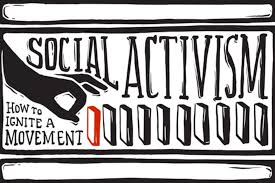
How would you define social activism? Is it someone who posts about wanting change, or is it the person who actively finds the tools to communicate why change is important? Social activism requires awareness. Awareness of yourself and of society. Using social media as a form of communication can greatly benefit someone in an activist role. Using critical theory to research, organize, and cause change can create a wave of social justice that exceeds what we have seen in the past.
Most of us use social media to keep up with people we already know, connect with new people, and consume more media in a few hours than most could in days. But what if we used social media more as a tool to network, organize, and inform? With the right leadership and activists, social media has the power to be a large hub for the spread of truthful information and the production of real change.
Real change has come from a simple tweet, video, and Instagram post. While it can be viewed as a lazy form of activism, there is profound power in understanding how to reach the masses when you can’t talk to them face-to-face. The #MeToo movement started from the use of a character, bringing women together around the world– not only to share their experiences with one man, but also to survive attacks at the hands of other men as well. With this campaign, Tarana Burke used her voice to cause real action, real consequences, and real results. This offered those women a voice they didn’t have before. This is what social media does for others- it offers them a voice and a platform that they otherwise wouldn’t have in the real world.
Activism makes the world feel alive. It resets regimes and changes cultures. Activists have a great tool in social media to assist them in their fight. Using it correctly can add great value to getting their message out to the world to build community.
 Drafted By Bri
Leave a comment